

Learn More About Your Back
Articles and resources focused on posture, spine health, pain management, and the role of technology in modern back care.

The Hidden Cost of Pain Relief: The Risks of Long-Term Opioid Use for Back Pain
Back pain can be overwhelming, and opioids may seem like the quickest way to relief. But while they help short-term, long-term use carries serious risks. At MyBackHub, we help patients find lasting back pain relief without surgery or long-term medication. In this post, we explore the opioid epidemic and safer, more effective alternatives.
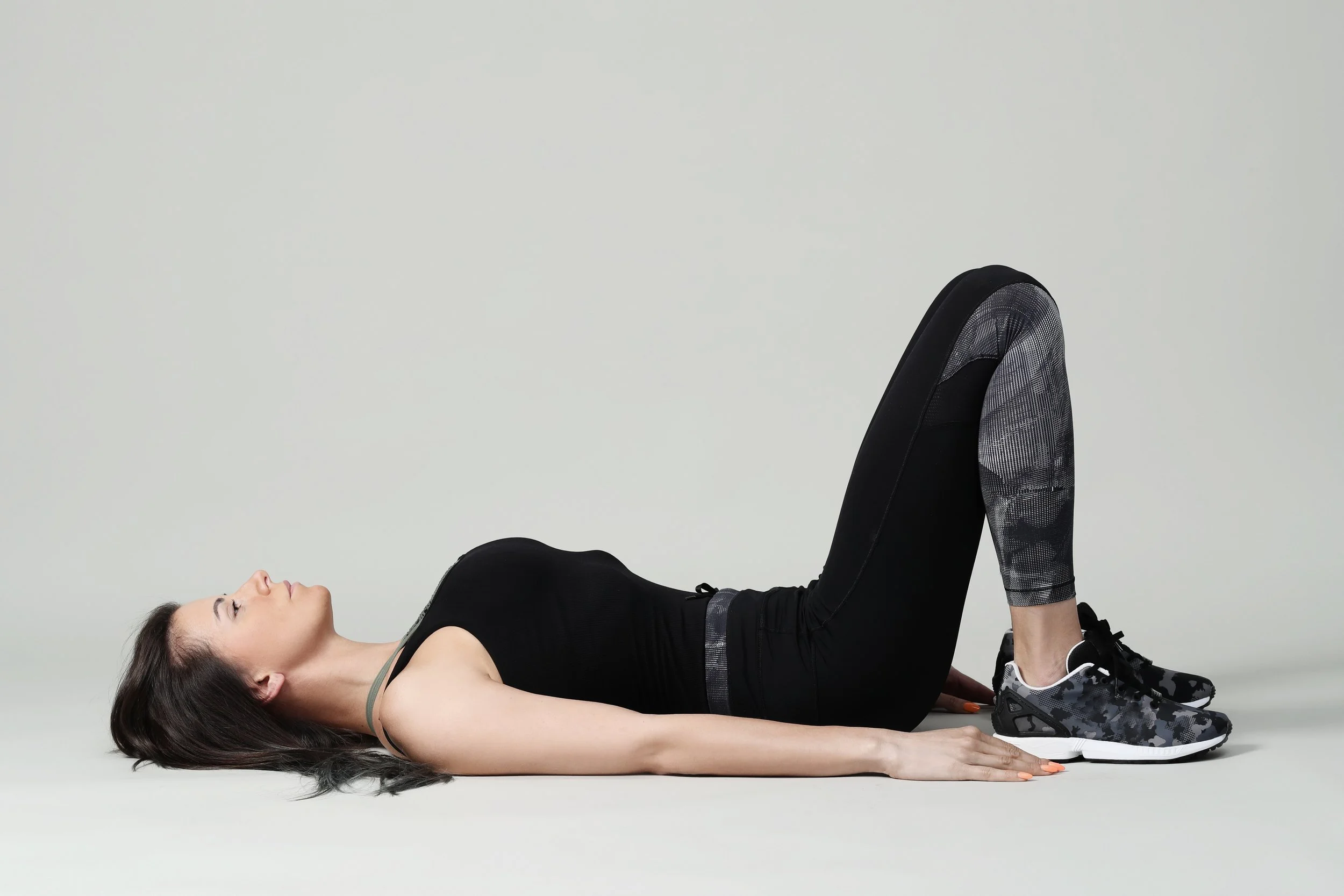
The #1 Exercise I Recommend for Back Pain Relief
Back pain often leaves people unsure which exercises are safe. While there’s no one-size-fits-all solution, one simple movement consistently stands out for most people—the pelvic tilt. In this blog, you’ll learn why it’s a foundation for core control and spinal stability, and how to do it correctly for lasting pain relief.

Scoliosis Secrets: 5 Celebrities You Never Knew Had Scoliosis
When people hear “scoliosis,” they often think of pain and limitations—but that’s not the full story. Many people with scoliosis live active, successful lives, including well-known actors, athletes, and musicians. At MyBackHub, we believe in changing the narrative. In this blog, we highlight five celebrities who have scoliosis and show how a spinal curve doesn’t define your future.
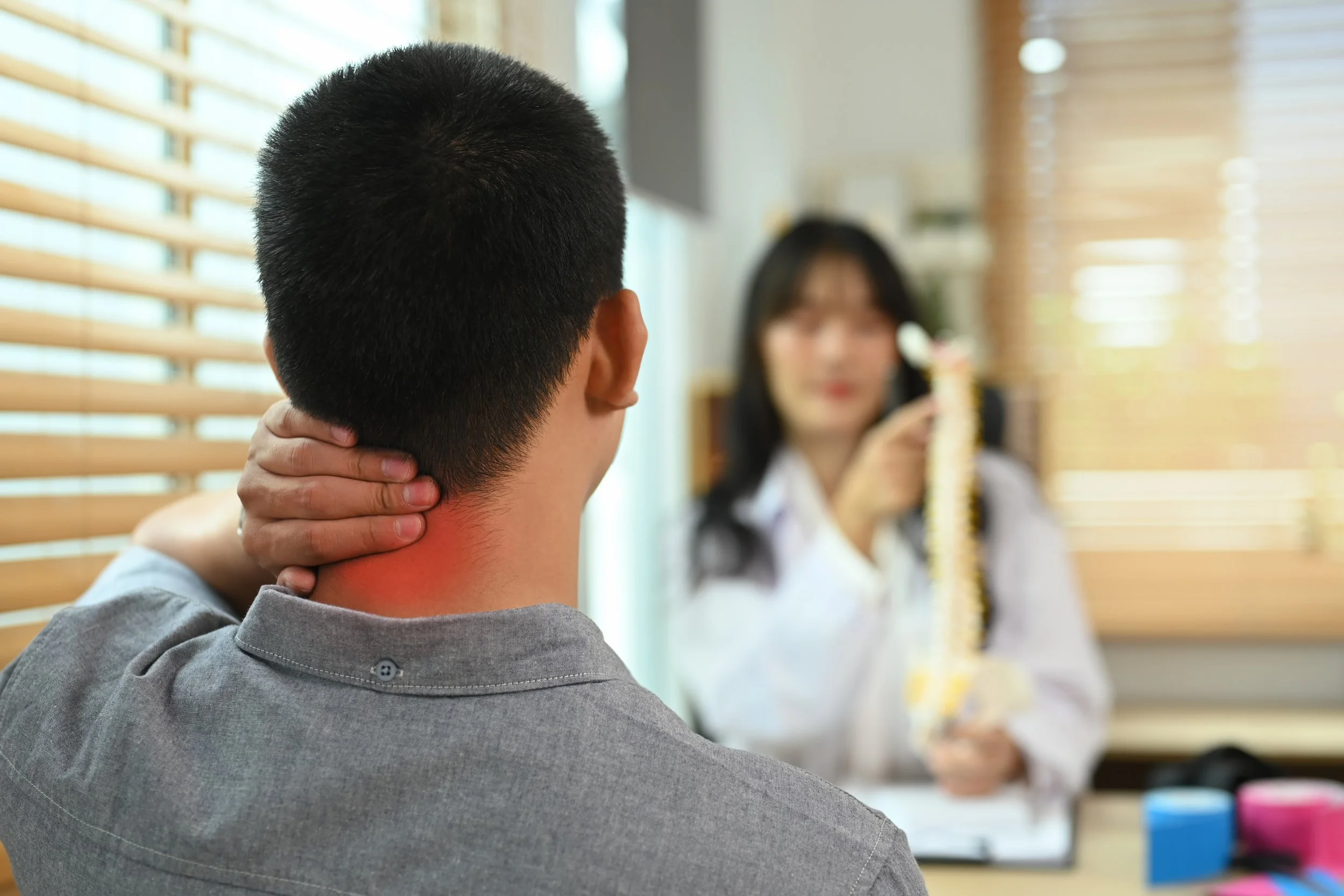
Everyday Habits That Are Hurting Your Neck and Spine
You don’t need to lift something heavy or have an accident to develop neck or back pain. Most spine damage actually comes from small, repeated habits we do every day without realizing it. At MyBackHub, we help patients worldwide reduce spine pain without surgery—and often, just a few simple daily changes can make a big difference.
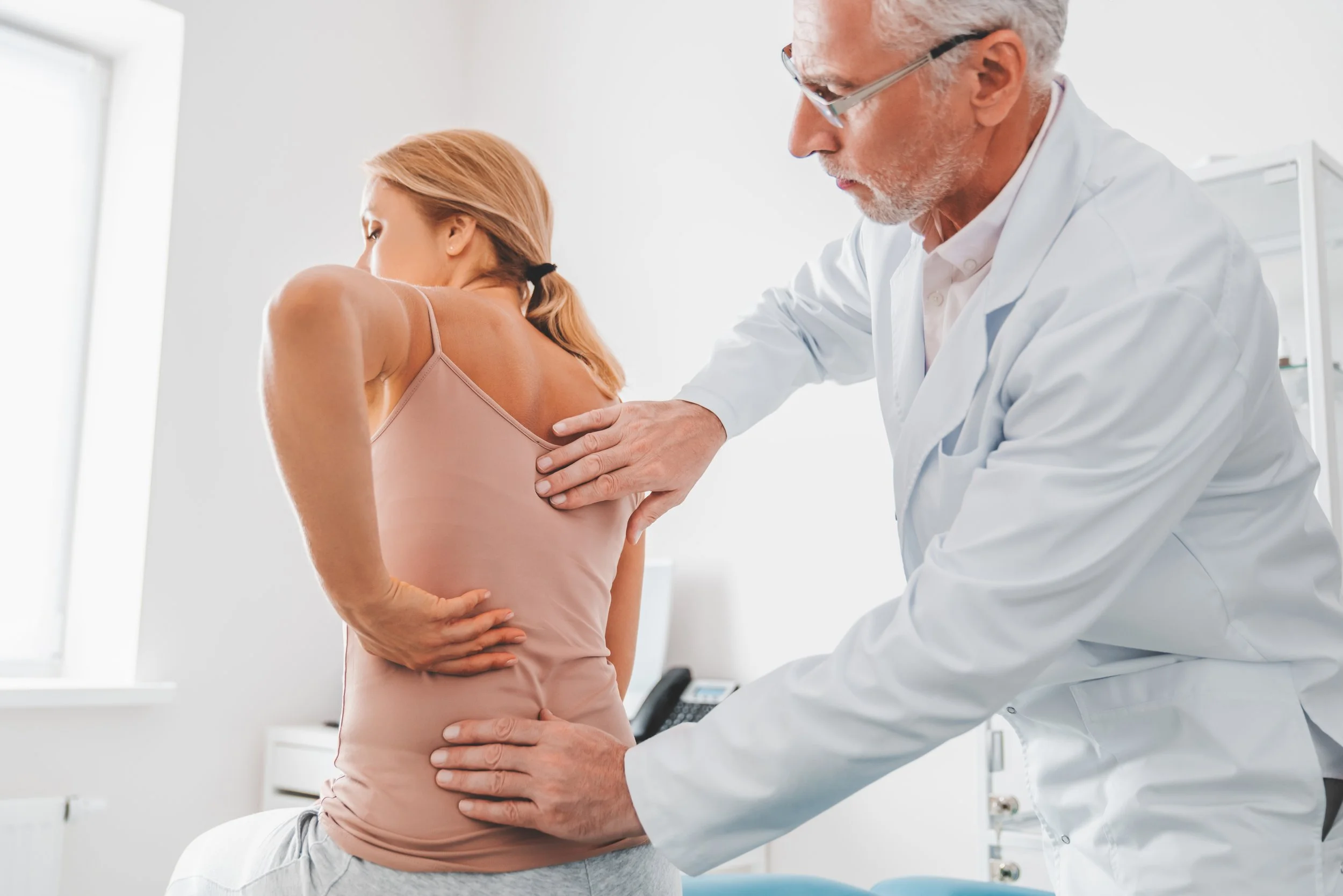
Warning Signs That You Need to See a Doctor for Your Back
Back pain isn’t always just back pain. From changes in bowel or bladder function to leg weakness and numbness, MyBackHub explores the critical red flag symptoms you should never ignore and when back pain requires urgent medical attention.
5 Common Effects of Scoliosis
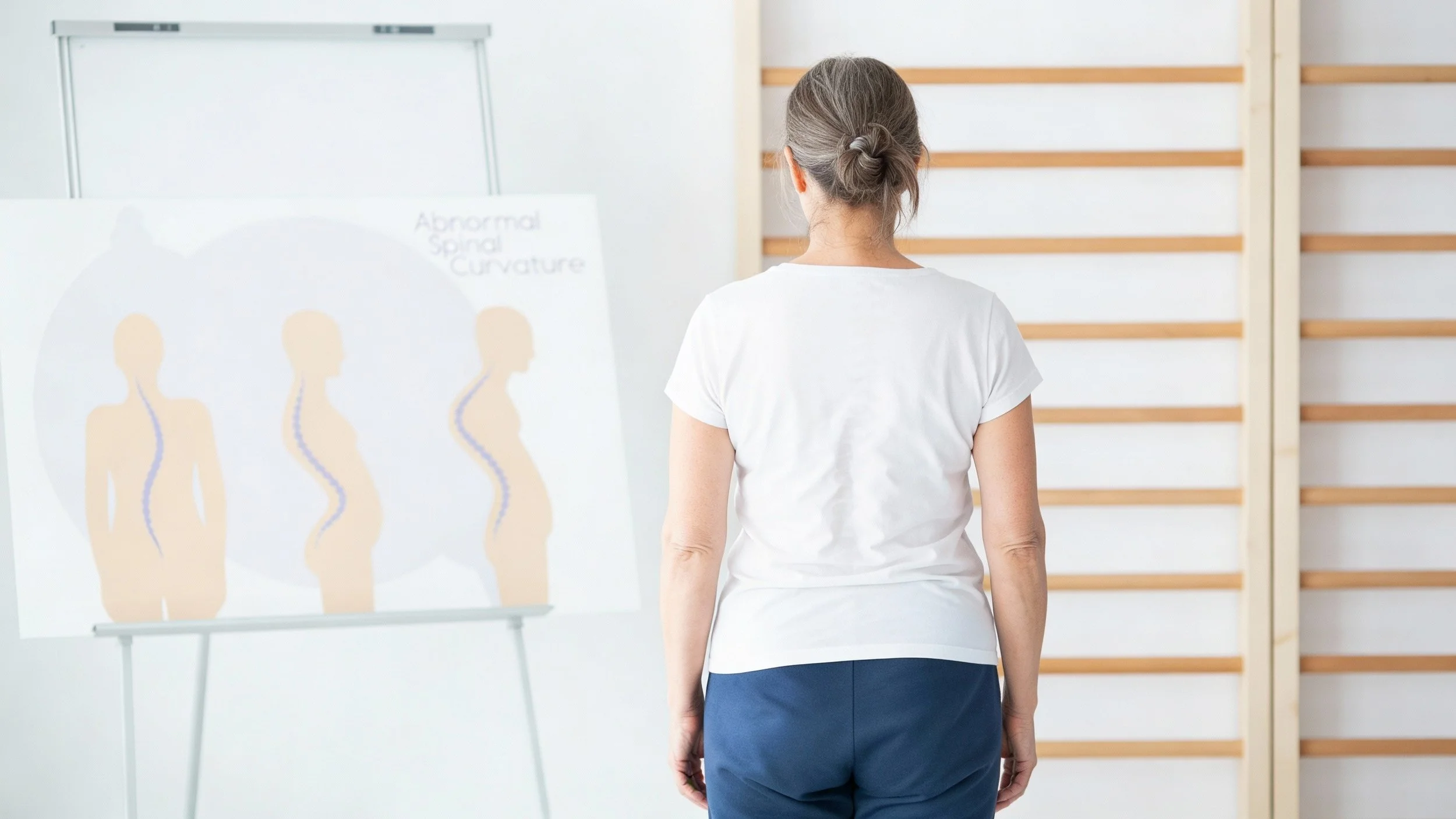
Scoliosis isn’t always just a curved spine. In some cases, it can be linked to other health conditions and complications that affect posture, mobility, and overall well-being. From uneven shoulders and back pain to breathing challenges and nerve-related symptoms, MyBackHub explores five common co-conditions associated with scoliosis—and what signs you shouldn’t ignore.
Scoliosis and Emotional Health
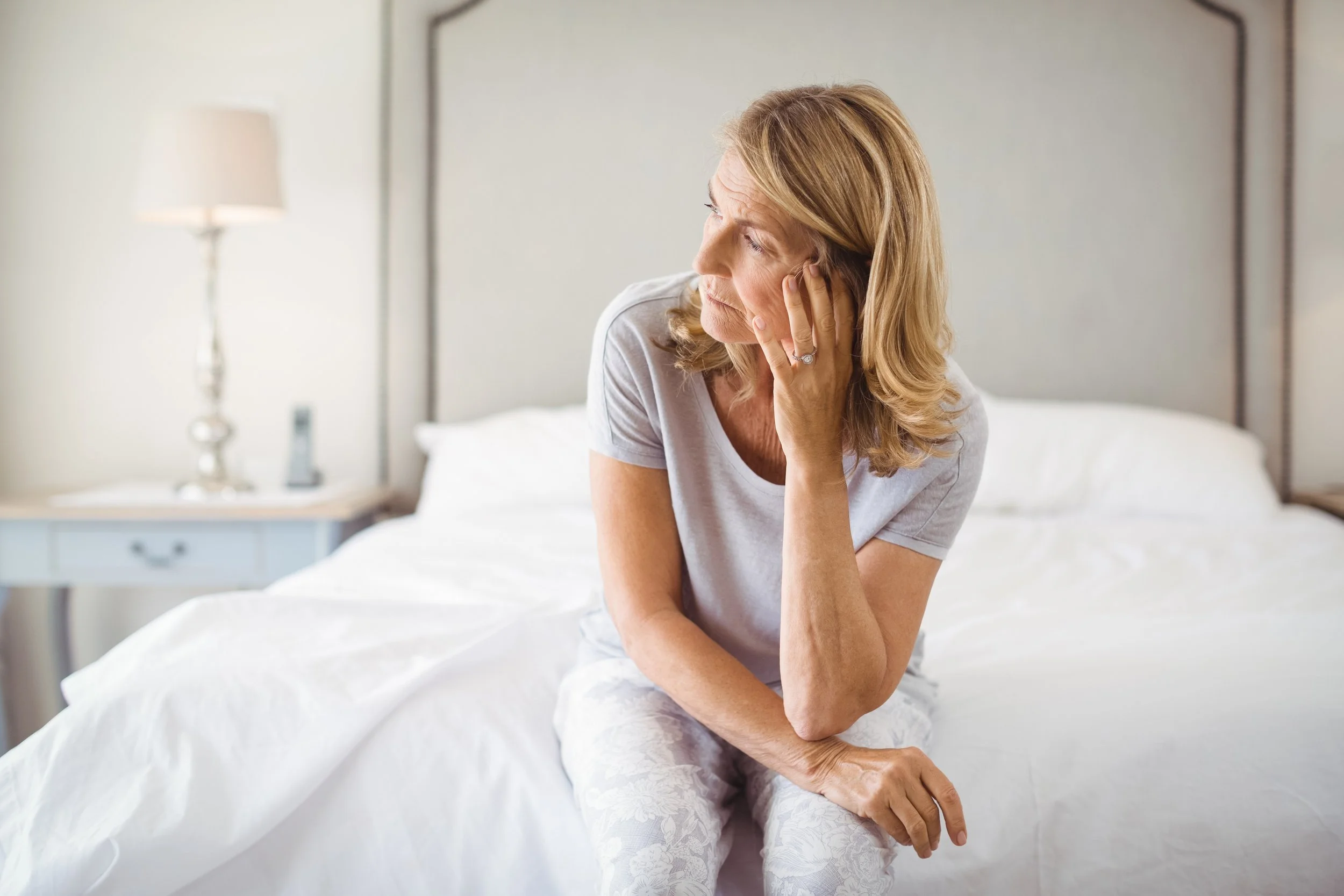
Scoliosis isn’t just a physical condition. It also carries an emotional impact that’s often overlooked. From body image struggles and chronic pain to feelings of isolation, the mental toll of scoliosis can be significant. MyBackHub explores why it’s time to address the emotional side of living with scoliosis.

What is Tech Neck?
Tech neck is a modern back and neck strain caused by long hours on smartphones, tablets, and laptops. Learn how to prevent and relieve this pain naturally with tips from MyBackHub.

What is MyBackHub?
MyBackHub (MBH) is a virtual platform providing nonoperative care for back pain. Guided by a team of experts—from therapists and doctors to AI engineers—MBH simplifies your back health journey. From minor aches to complex conditions like scoliosis, it offers evidence-based guidance and a single, easy-to-use platform to manage every step of your care.

Are These Forgotten Back Muscles The Key To Your Pain Relief?
If you struggle with back pain, you may be overlooking some of your spine’s most important muscles. The iliocostalis, longissimus, and spinalis, key components of the erector spinae, are essential for spinal stability, posture, movement, and pain relief. Focusing on these often-forgotten muscles can make a significant difference in non-surgical back care.

5 Most Common Causes of Back Pain
Back pain is one of the most common health challenges worldwide—and one of the most misunderstood. While it’s often grouped into a single category, “back pain” can have many different root causes. From simple muscle strains to scoliosis and spinal stenosis, each condition affects the body differently and requires a tailored approach.

Why Is Scoliosis Painful?
Scoliosis is often described as a “spinal curve”—something visible on an X-ray or noticed in a mirror. But what’s harder to see (and often harder to explain) is the pain that can come with it.

Scoliosis Surgery: when is it the right choice for you?
At MyBackHub, we specialize in nonoperative spine care, and we’re often asked: When is scoliosis surgery actually necessary? Understanding the right timing and reasons for surgery can empower you to make the best decisions for your spine health.

What Really Causes Scoliosis?
At MyBackHub, we often hear the same questions: Why is my spine curved? What caused it? Do I need surgery? The truth is that scoliosis comes in different forms—adolescent, congenital, neuromuscular, and degenerative—and each type has its own story. Some curves cause little to no discomfort, while others can lead to pain, muscle fatigue, or mobility changes later in life.

Debunking the Top 5 Myths About Scoliosis
For too long, myths about scoliosis have caused unnecessary fear and confusion—especially the idea that scoliosis always gets worse, always causes pain, or can only be managed with surgery. The truth? Scoliosis is one of the most common spine conditions in the world, yet most people can live active, fulfilling lives with it—without major curve changes or endless discomfort.