How Scoliosis Is Diagnosed: What to Expect
Scoliosis Diagnosis: What to Expect & Finding Back Pain Relief
Living with chronic back pain can be a challenging journey, often leaving us searching for answers and effective solutions. For many, the mystery behind persistent aches is a source of frustration. Sometimes, the underlying cause might be a condition like scoliosis, a spinal curvature that can impact individuals of all ages. Understanding how scoliosis is diagnosed is a crucial first step toward finding targeted relief and improving your quality of life. At MyBackHub, we believe in empowering our members with knowledge, and today, we'll explore the diagnostic process for scoliosis, what to expect, and how it connects to finding lasting back pain relief. We'll also touch on various strategies, from Schroth exercises to lifestyle adjustments, to help you manage discomfort.
Understanding Back Pain and the Role of Diagnosis
Back pain is a pervasive issue, affecting an estimated 80% of people at some point in their lives. It can range from a dull ache to sharp pain that makes movement difficult. While many cases of lower back pain resolve with conservative care, persistent or worsening pain warrants professional evaluation. Conditions like scoliosis, though often developing in childhood, can contribute to chronic back issues in adulthood. A proper diagnosis is paramount because it guides the treatment plan, ensuring that strategies applied are appropriate for the specific underlying cause, rather than just masking symptoms. Without a clear understanding of the 'why,' true and lasting back pain relief can be elusive.
When should I see a doctor for back pain?
Consult a healthcare provider for severe back pain, pain that doesn't improve with rest, pain spreading down one or both legs (potentially indicating sciatica symptoms), weakness or numbness, or pain accompanied by unexplained weight loss or fever.
How does scoliosis contribute to back pain in adults?
In adults, scoliosis can cause back pain due to uneven weight distribution, muscle imbalances, and degenerative changes in the spine. The abnormal curvature places extra stress on discs and joints, often leading to discomfort and reduced mobility.
What are common causes of chronic back issues?
Common causes include poor posture, muscle strains, herniated discs, degenerative disc disease, arthritis, and nerve impingement (like sciatica). Structural abnormalities such as scoliosis can also contribute.
The Scoliosis Diagnostic Process: A Comprehensive Look
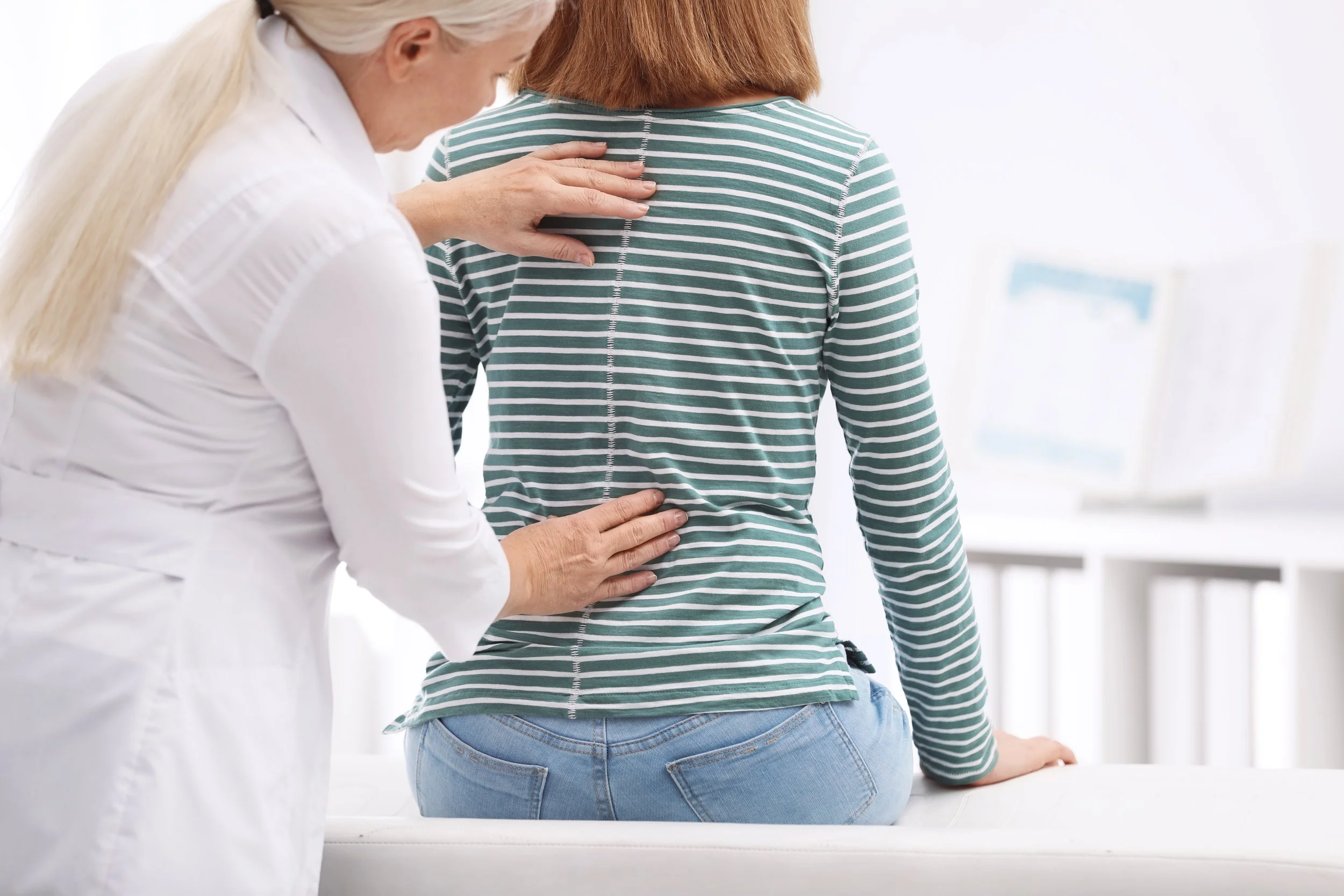
Diagnosing scoliosis typically involves a physical examination, medical history review, and imaging studies. The goal is to identify the presence and severity of spinal curvature, rule out other conditions, and determine the best course of action for scoliosis pain relief. Our team emphasizes a thorough approach to help members understand their condition.
What happens during an initial physical exam for scoliosis?
During a physical exam, a healthcare provider will observe your posture, check your shoulders and hips for unevenness, and perform the Adam’s forward bend test. This test involves bending forward at the waist to look for any asymmetry or a rib hump.
What imaging tests are used to diagnose scoliosis?
X-rays are the primary imaging tool, providing detailed views of the spine from different angles to measure the curve's degree (Cobb angle). In some cases, MRI or CT scans may be used to assess nerve involvement or rule out other spinal conditions.
How is the severity of scoliosis measured?
The severity of scoliosis is measured by the Cobb angle from X-rays. A curve of 10 degrees or more is generally considered scoliosis. Curves over 25-30 degrees often require monitoring, and those over 40-50 degrees may warrant more intensive interventions. Other assessment tools such as the PostureBackNeck Assessment can screen for scoliosis indicators as well.
Can scoliosis be associated with a herniated disc or sciatica?
Yes, scoliosis can increase the risk of a herniated disc and sciatica. The abnormal spinal alignment places uneven pressure on the intervertebral discs, leading to bulging or herniation, which can then compress nerves, causing sciatica symptoms like radiating pain.

Pathways to Relief: Managing Scoliosis-Related Back Pain
Once scoliosis is diagnosed, the focus shifts to managing symptoms and preventing progression. For many, this involves conservative, non-surgical approaches aimed at achieving back pain relief such as the exercises found inside The Scoliosis Solution.
What are effective non-surgical back pain treatments for scoliosis?
Effective non-surgical treatments include specialized exercises like Schroth exercises, which focus on corrective breathing and posture; physical therapy to strengthen core muscles and improve flexibility; and manual therapies like chiropractic care. Heat/cold therapy can also provide temporary relief.
How do Schroth exercises help with scoliosis pain relief?
Schroth exercises are a specialized form of physical therapy designed specifically for scoliosis. They involve specific stretches, strengthening exercises, and breathing techniques tailored to the individual's curve pattern. The goal is to de-rotate, elongate, and stabilize the spine, improving posture and reducing pain.
What role does physical therapy play in managing lower back pain from scoliosis?
Physical therapy is crucial for scoliosis-related lower back pain relief. Therapists design programs to strengthen core muscles, improve spinal mobility, correct postural imbalances, and teach body mechanics. This helps stabilize the spine, reduce muscular strain, and alleviate discomfort.
Can chiropractic care help with scoliosis and back pain?
Chiropractic care can be a component of a comprehensive approach to managing general back pain relief. Chiropractors use spinal adjustments and other manual techniques to improve spinal mobility, reduce muscle tension, and address misalignments contributing to pain. When it comes to scoliosis, chiropractic care has shown limited effectiveness, and in some cases, can be detrimental.
What are good sleeping positions for lower back pain with scoliosis?
Finding sleeping positions for lower back pain is key. Lying on your back with a pillow under your knees can help maintain the natural curve of the spine. Side sleeping with a pillow between your knees can also align the hips and spine. Avoid sleeping on your stomach.
How to choose the best pillows for back pain relief?
The best pillows for back pain support the natural curve of your neck and spine. For back sleepers, a medium-firm pillow filling the space between your neck and mattress is ideal. Side sleepers benefit from a thicker, firmer pillow aligning the head and neck. For sleepers with scoliosis, specific ergonomic pillows may be recommended.

Frequently Asked Questions About Scoliosis and Back Pain
Can scoliosis be corrected without surgery?
For many adults, scoliosis can be effectively managed and symptoms improved without surgery through specialized exercises. Here at MyBackHub, Scoliosis Realignment Therapy incorporates the latest developments in nerve science, fascial release, mind/body awareness, and lifestyle adjustments. Surgery is typically reserved for severe or rapidly progressing curves.
Are there specific exercises for scoliosis pain relief at home?
Absolutely — and our Scoliosis Realignment Therapy course (included in The Scoliosis Solution) is the perfect place to start. Consistency is key, focusing on improving posture and building balanced muscle strength.
How do daily habits impact lower back pain relief?
Daily habits significantly impact lower back pain relief. Maintaining good posture, using proper lifting techniques, taking regular breaks from sitting, staying hydrated, and engaging in light physical activity are all crucial for preventing and alleviating back discomfort.
Does carrying a heavy bag affect scoliosis or back pain?
Yes, carrying heavy bags or backpacks, especially on one shoulder, can exacerbate both scoliosis and general lower back pain. It can create muscle imbalances, increase spinal strain, and promote poor posture, worsening existing curves or contributing to new pain.
What are some general tips for non-surgical back pain treatment?
General tips include regular, gentle exercise (like walking or swimming), maintaining a healthy weight, practicing proper posture, using ergonomic support at work, applying heat or cold packs, and engaging in stress-reduction techniques.
Can stress make scoliosis pain worse?
Yes, stress can worsen scoliosis pain. When under stress, muscles often tense up, which can further strain an already compromised spine due to scoliosis. Mind-body practices like meditation or deep breathing can help reduce stress and associated pain.
Conclusion
Understanding how scoliosis is diagnosed is a powerful step towards taking control of your health and finding lasting back pain relief. While diagnosis can be significant, it often opens the door to effective, non-surgical strategies aimed at improving your comfort and mobility. Through Scoliosis Realignment Therapy, curve specific exercises, mindful lifestyle adjustments, and appropriate home care, many individuals with scoliosis can lead full, active lives with significantly reduced or eliminated pain. Our team is dedicated to providing you with the knowledge and tools you need to navigate your back health journey successfully.
Are you ready to explore personalized solutions for your scoliosis pain? Discover how MyBackHub can support you 👇
Disclaimer
This article reflects general guidance from The MyBackHub Team and is not a substitute for medical advice. Always consult a qualified healthcare provider before starting any new exercise or treatment.
References
Mayo Clinic link on Scoliosis Diagnosis: https://www.mayoclinic.org/diseases-conditions/scoliosis/diagnosis-treatment/drc-20350719
NIH link on Scoliosis Treatment & Exercises: https://www.ncbi.nlm.nih.gov/pmc/articles/PMC7211155/
AAOS link on Back Pain Management: https://orthoinfo.aaos.org/en/diseases--conditions/low-back-pain/